Monday, 9 December 2013

FDA and EMEA approve of Game Changer Sofosbuvir 

   
 Sofosbuvir is a first-in-class polymerase inhibitor that allows for   all-oral, interferon-free therapy for some patients with hepatitis  C and reduced treatment time for most.

The US Food and Drug Administration (FDA) has approved the first-in-kind nuceotide analog inhibitor sofosbuvir (Sovaldi, Gilead Sciences, Inc) for the treatment of adults with chronic hepatitis C virus (HCV) infection, a widely anticipated move that is expected to dramatically improve outcomes for many patients.

The European Medicines Agency's Committee for Medicinal Products for Human use (CHMP) has recommended granting a marketing authorisation for Sovaldi (sofosbuvir), for use 'in combination with other medicinal products for the treatment of chronic (long-term) hepatitis C in adults'.

Friday, 6 December 2013

Clobazam (Onfi) Can Cause Serious Skin Reactions, FDA Warns 


The antiseizure drug clobazam (Onfi, Lundbeck) can trigger rare but potentially fatal skin reactions, the US Food and Drug Administration (FDA) announced today.
For clobazam, the skin reactions to watch for are Stevens-Johnson syndrome (SJS) and toxic epidermal necrolysis (TEN). Patients taking clobazam can experience these disorders at any time, but the risk goes up during the first 8 weeks of treatment or when treatment resumes after it was stopped. All the cases of these 2 adverse events identified by the FDA landed patients in the hospital, with 1 patient going blind and another dying.


Thursday, 5 December 2013

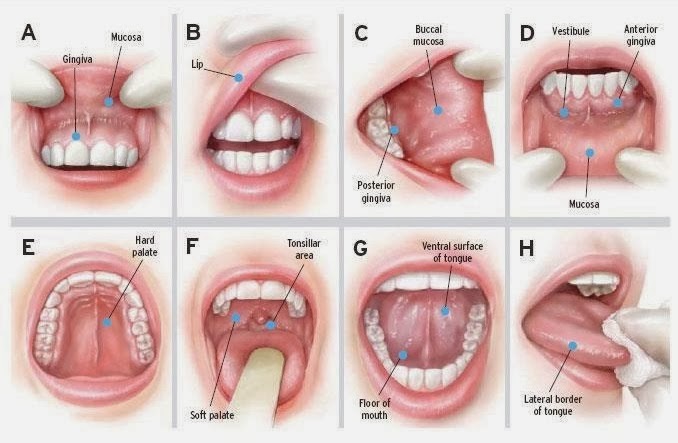
Oral Cancer Screening

Squamous cell carcinoma accounts for 90% of all cases of oral cavity and pharyngeal cancer. More than half of persons with oral and pharyngeal cancer have regional or distant metastases when they are first diagnosed. The USPSTF therefore stated that screening for oral cancer may be helpful if potentially malignant disorders can be identified earlier and treated successfully.


ORAL CANCER SCREENING METHODS

Thursday, 28 November 2013

Tuesday, 26 November 2013

ACRI - PGDCR Batch 17 Presentation

Amresh of batch 17, presented the topic of orphan drugs. This presentation was very instructive and covered all the sockets of regulations and incentives in different countries for orphan drugs.
acriindia.com

Saturday, 19 October 2013

Indian Pharma Sector India's pharmaceutical sector is gaining its position as a global leader

Indian Pharma Sector India's pharmaceutical sector is gaining its position as a global leader, poised to grow from US21.7 currently, to US$ 36.7 billion by 2015. A PricewaterhouseCoopers (PwC) report says it could touch US$ 74 billion by 2020. This is in league with Indian Government's Pharma Vision 2020 which aims at making India a global leader in end-to-end manufacture by 2020, and is planning to set up US$ 640 million VC to boost drug discovery and strengthen the pharmaceutical sector. The Indian Pharma sector produces 600 Generic brands, 600 therapeutic categories, and manufactures more than 500 different APIs. While Generics continue to dominate the market; patent-protected products are expected to constitute 10 per cent of the pie till 2015. Several multinationals are already set to launch patented drugs across India. The demand for high end drugs in rural India is estimated to grow to US$ 8 million by 2015, wherein 70% of India's populace resides. Efforts are being made to reach chemists and OTC drugs to the rural populace through expanding networks. The clinical trials market was US$ 400 million in 2009 and India is expected to remain a valuable investment hub due to its genetically diverse population and availability of skilled doctors. In field of health insurance, 650 million people are expected get health insurance cover by 2020, painting a rosy picture of the Indian Pharma Industry as a whole.

Sunday, 6 October 2013

Treatment For Pediatric Migraine


Propofol May Be An Effective Treatment For Pediatric Migraine.

Medscape (10/2, Lowry) reports that at the American Academy of Pain Management 24th Annual Clinical Meeting, “researchers report[ed] that subanesthetic doses of propofol provide a safe and effective abortive treatment for pediatric migraine.” Investigators found that, “compared with the children who received standard abortive migraine therapy,” those who received “propofol achieved significantly greater reduction in pain scores as measured on a self-reported visual analogue scale (VAS).”